
INNOVATION IS LIFE
I didn’t realize it at the time but the final match of the 1974 World Cup was the beginning of a thread that led to my eventual professional life. When West Germany played the Netherlands, the Dutch team featured the legendary Johan Cruyff, the father of "Total Football." At the time, Cruyff had a contract with Puma, but the Dutch team was sponsored by Adidas. As a committed Puma athlete, Cruyff famously refused to wear the rival's brand, resulting in a custom jersey with one of Adidas’ marquee three stripes completely removed.
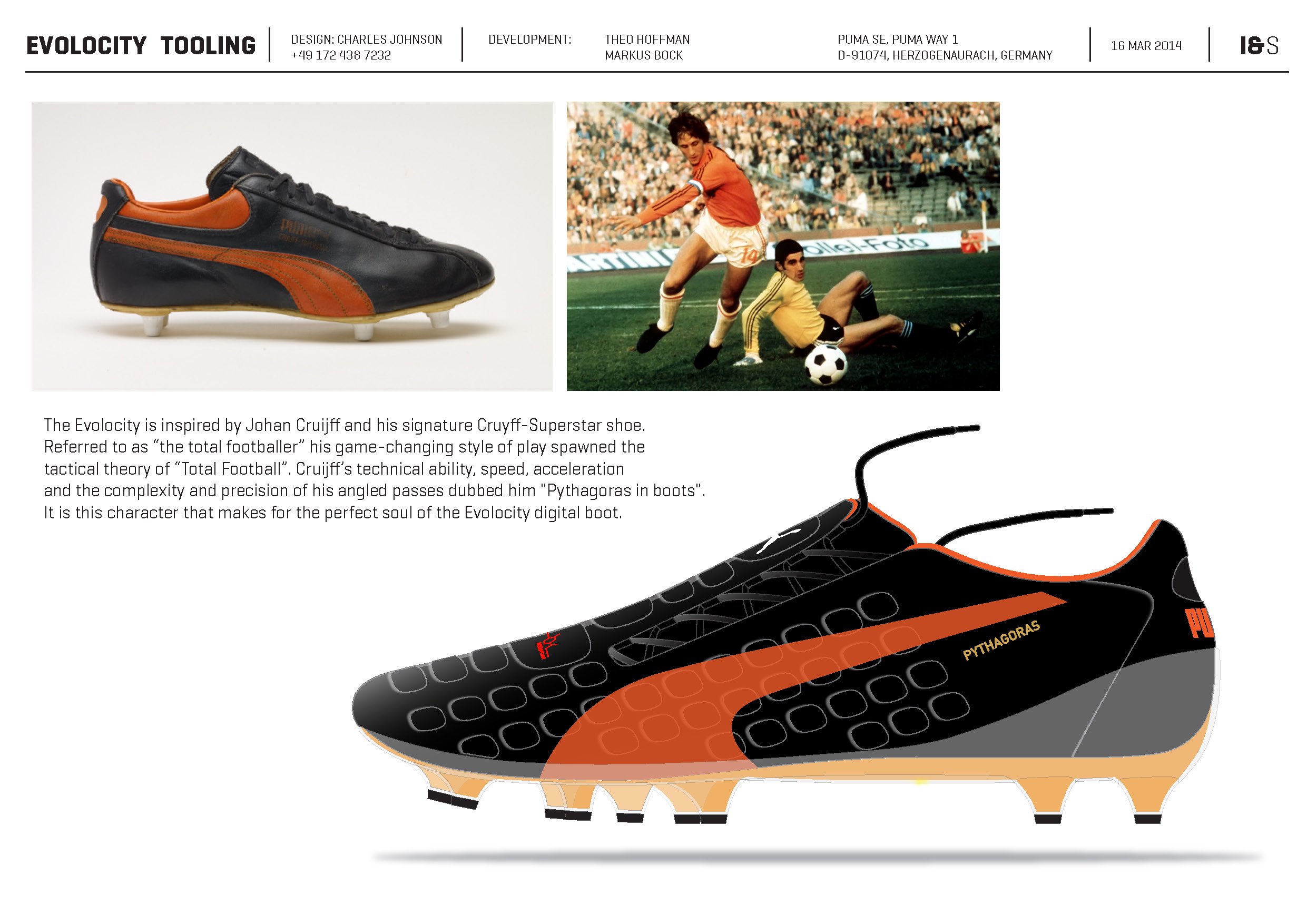
Years later, I spent 11 years at Puma as Head of Footwear Design and later as Global Director of Innovation. Cruyff was an institution there and an enduring source of inspiration. So, when my team set out to develop a smart football shoe to measure kicking velocity, it was only fitting that I gave the project the working name "Pythagoras", Cruyff's nickname, earned for his mathematical approach to the pitch.

A Connected Football Boot designed for the football obsessed teen

With Pythagoras we were close on the heels of the smart football shoe trend. It seemed to us at the time that football players wanted as much data as they could get while on the pitch. So we built a shoe that measured how fast a player ran, how far, and how hard they kicked the ball. Sharing the experience was made easy with an app.
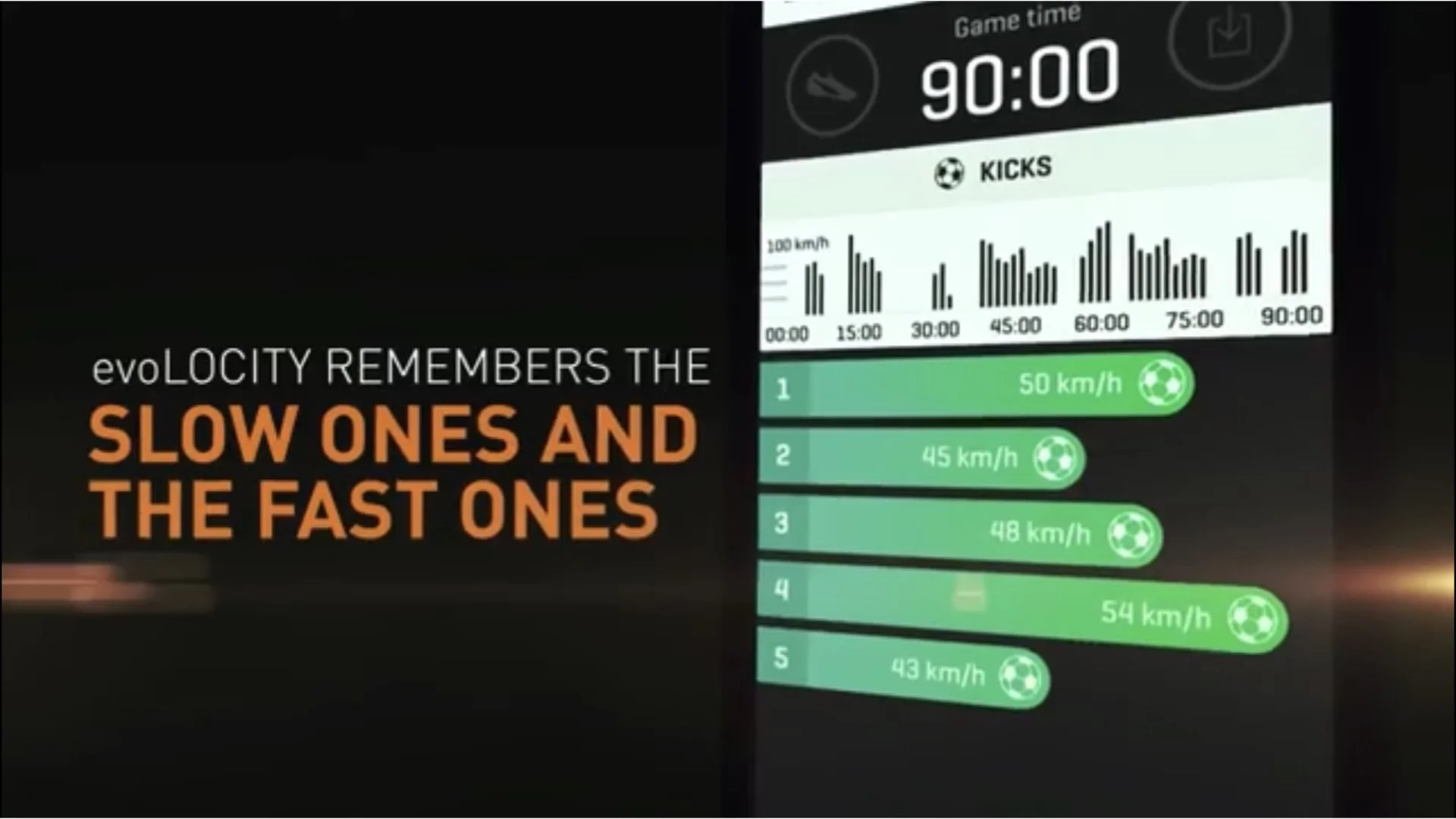
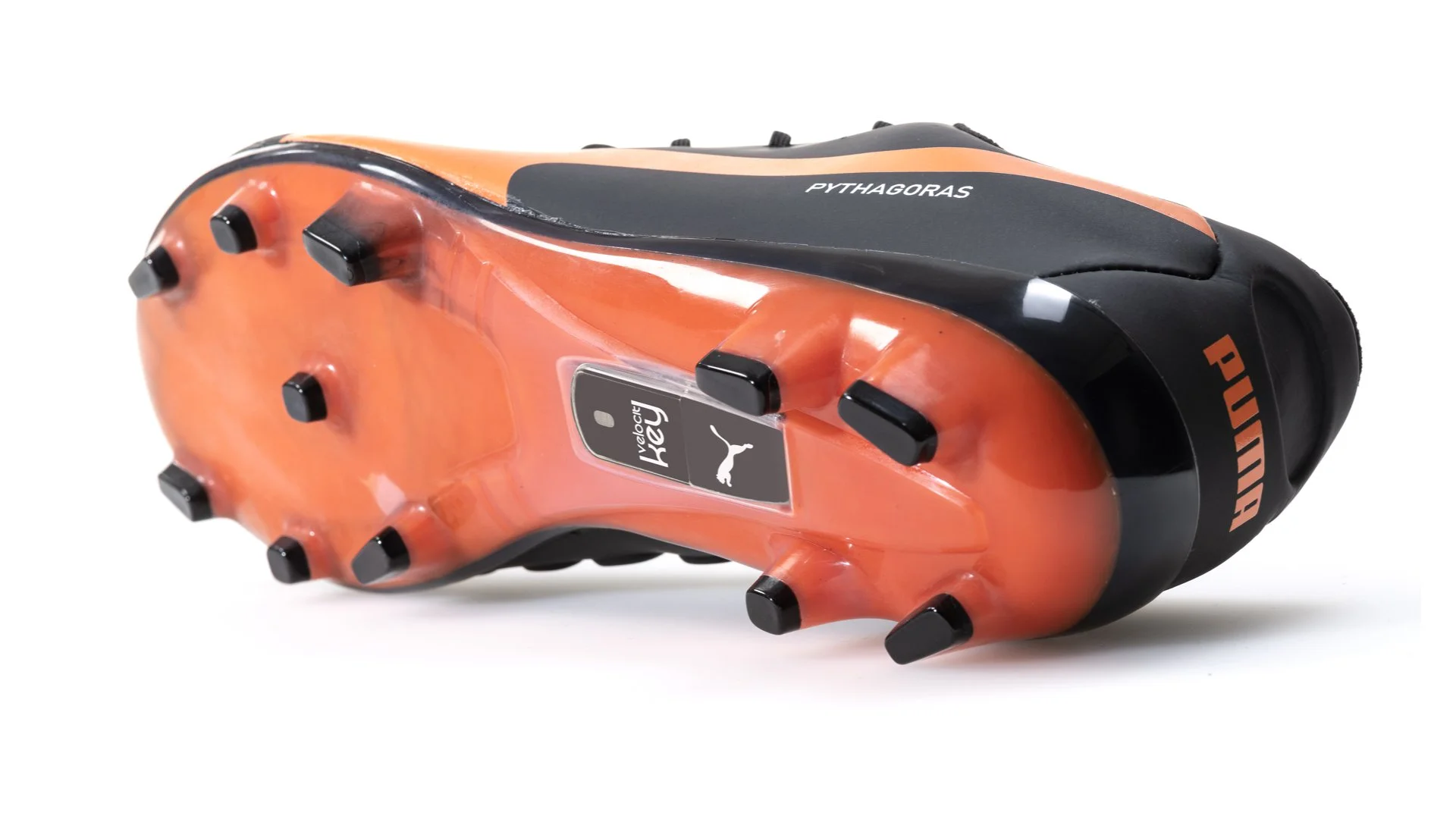
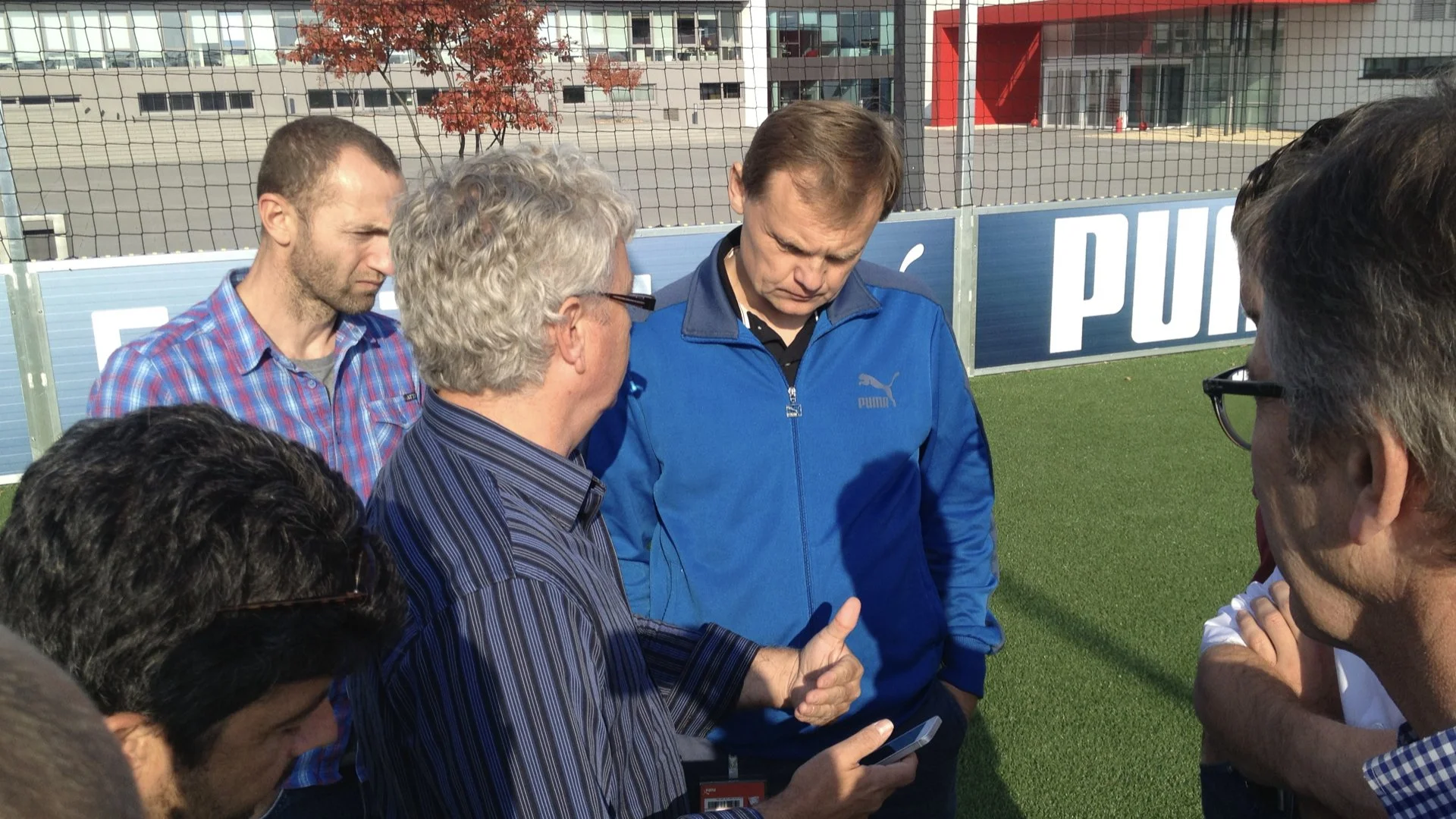
The innovation team at Puma functioned like an internal startup. We faced a dual challenge: we weren't just developing innovative tech for athletes; we had to sell it to key internal stakeholders. Chief among them was our CEO (and my boss), Bjørn Gulden. Bjørn brought a specific perspective to his leadership. Before his corporate career, he was a professional football player in the DFB for FC Nürnberg. When we brought him our prototype, he wasn't just giving it commercial consideration, he was going to subject it to the ultimate test of a true footballer.
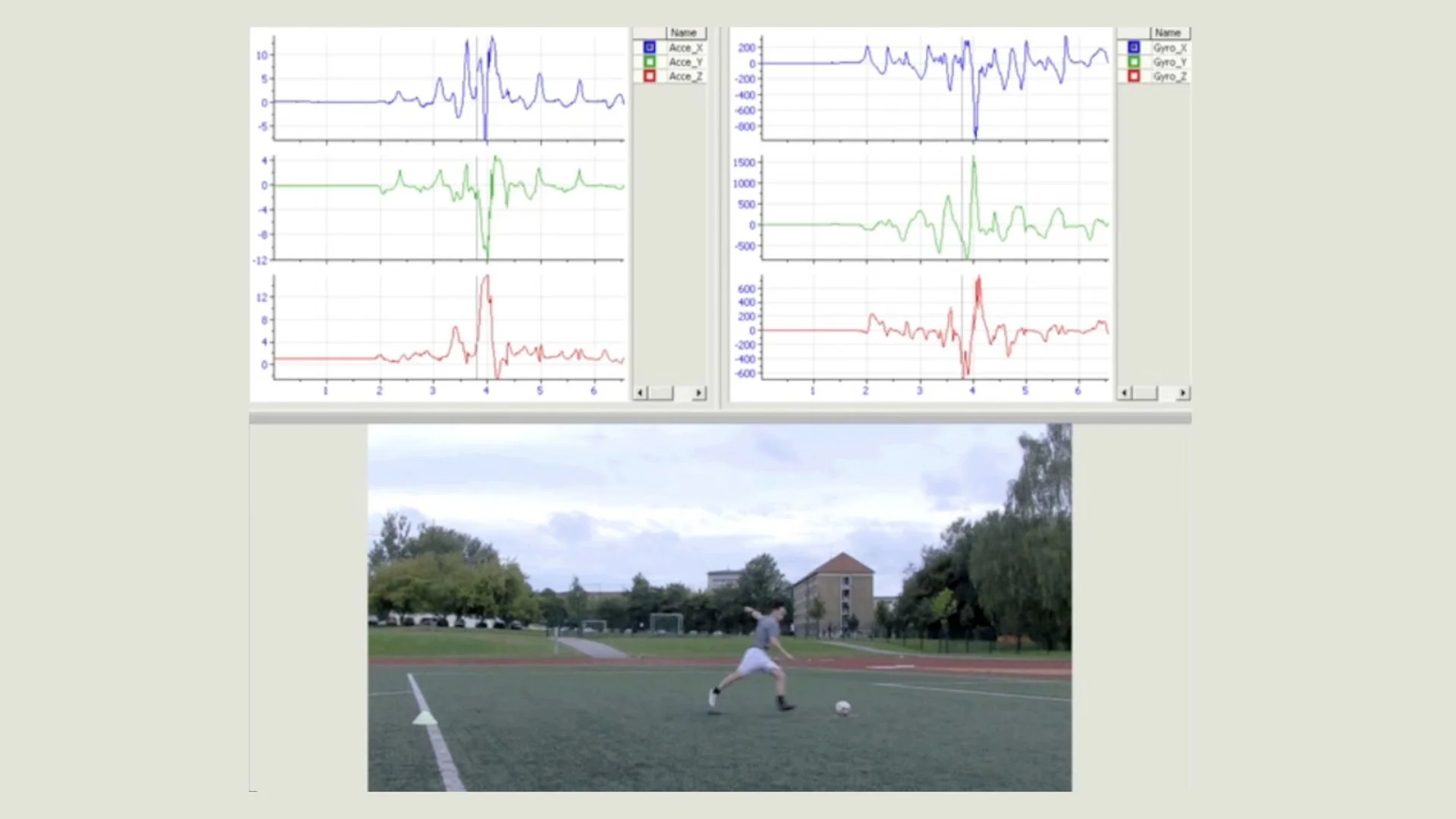
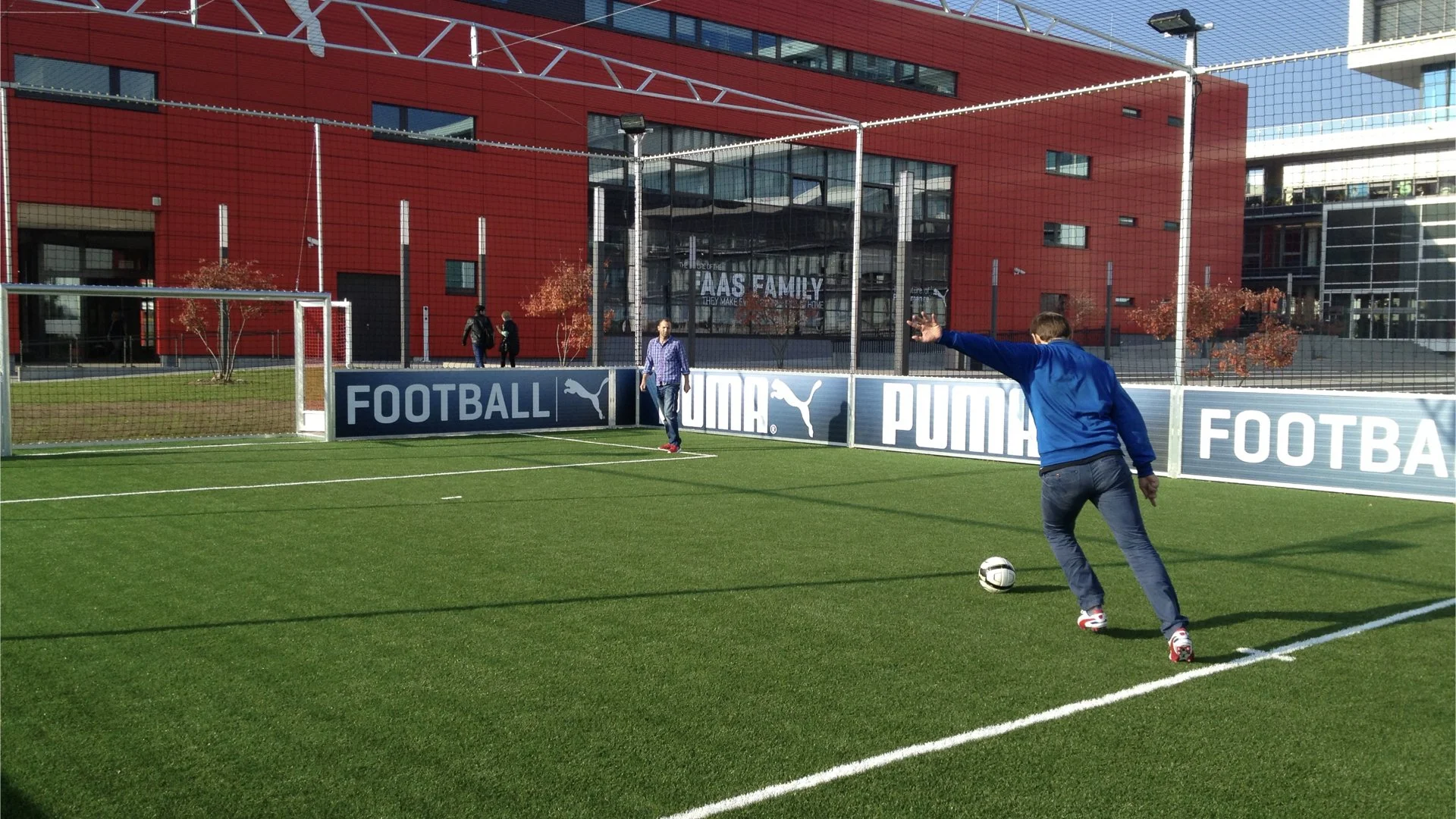
After over a year of intensive development, we had an MVP that worked and had tested well with many players. We gave our boardroom presentation and proudly walked him out to the Puma pitch. He laced up the shoes, took a shot... and the technology failed to measure his velocity accurately. Talk about a tough go/no-go meeting.
A good idea is only that
Bringing "newness" into the world is a genuinely complicated process. This experience taught me an invaluable lesson: True innovation is never just about having a great idea. It is about enrolling the stakeholders you must confront to scale it.
To champion a breakthrough, you must be deeply prepared for the varied perspectives of your decision-makers. You have to understand the specific journeys, expertise, and biases they bring to the table. Bjørn didn't look at our shoe like a data scientist; he looked at it like a pro athlete who knew exactly how a boot should feel and perform.
Understanding those stakeholder perspectives before you pitch empowers you to better shape three critical things:
The Idea: Refining the product to solve their specific anxieties.
The Process: Building milestones that prove value to their worldview.
The Narrative: Framing the story so it speaks directly to their background, not yours.
Innovation is messy, and tech will fail. But if you master the human architecture behind the product, you'll be far better equipped to survive the complicated journey from prototype to market.
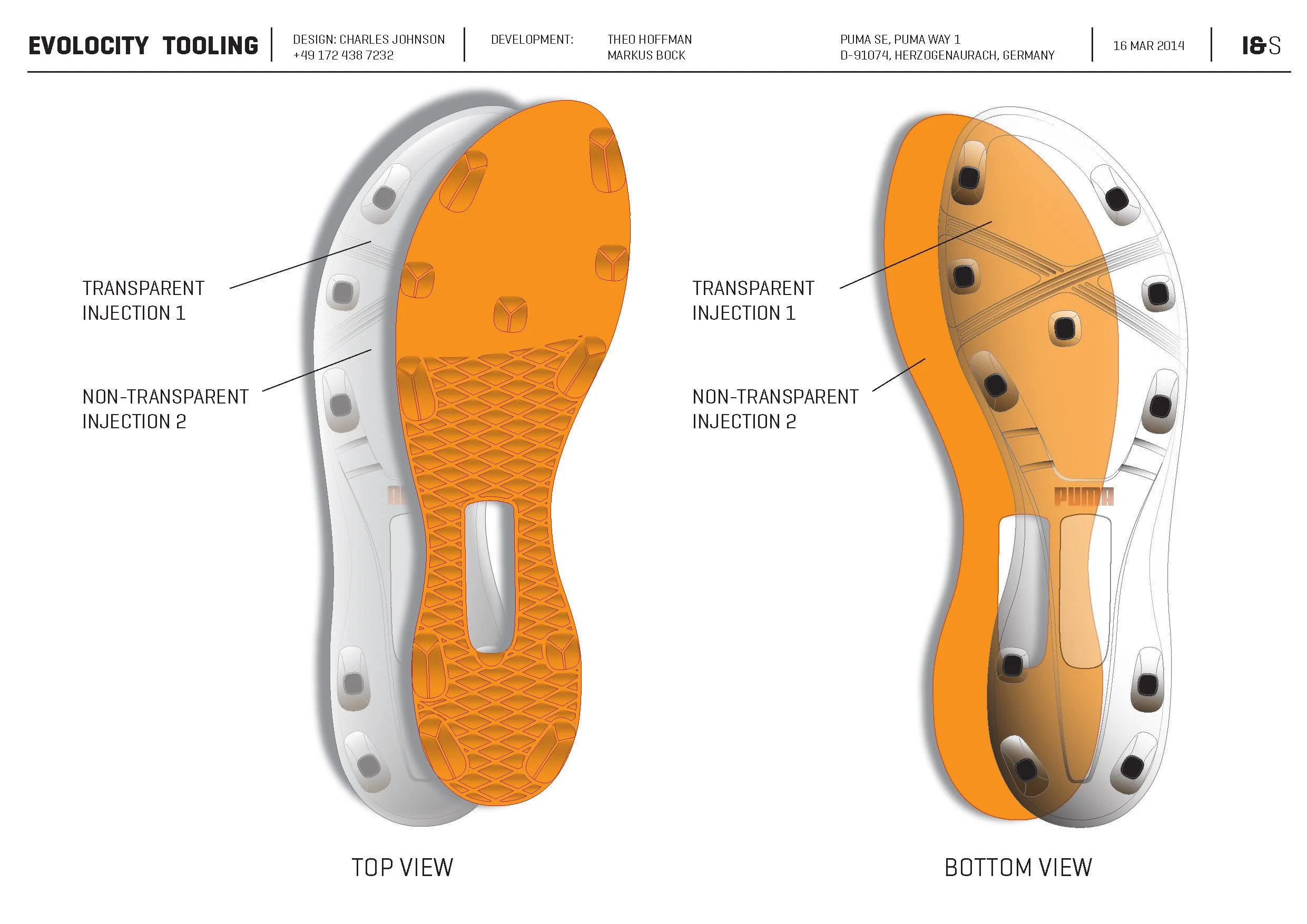
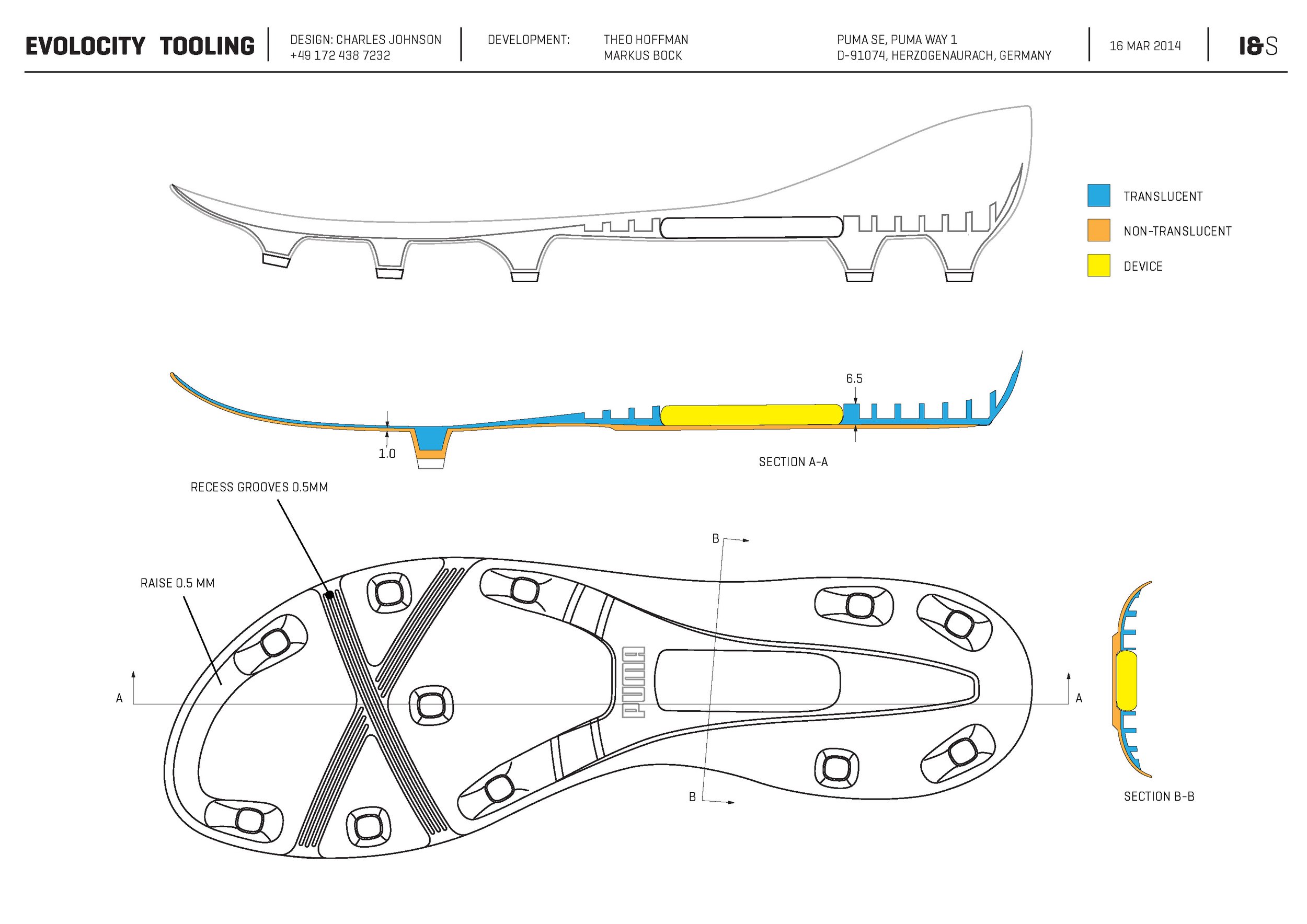
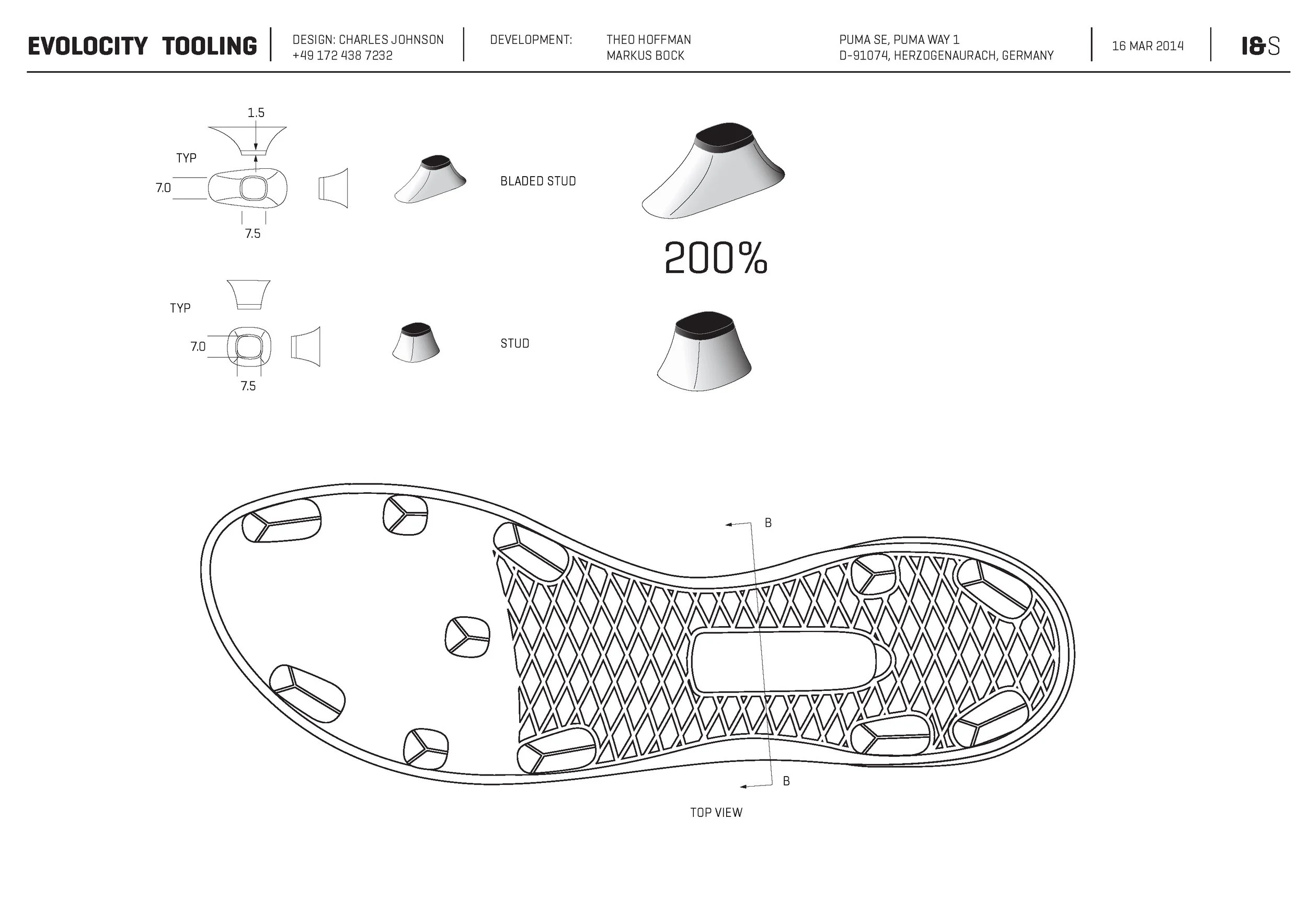
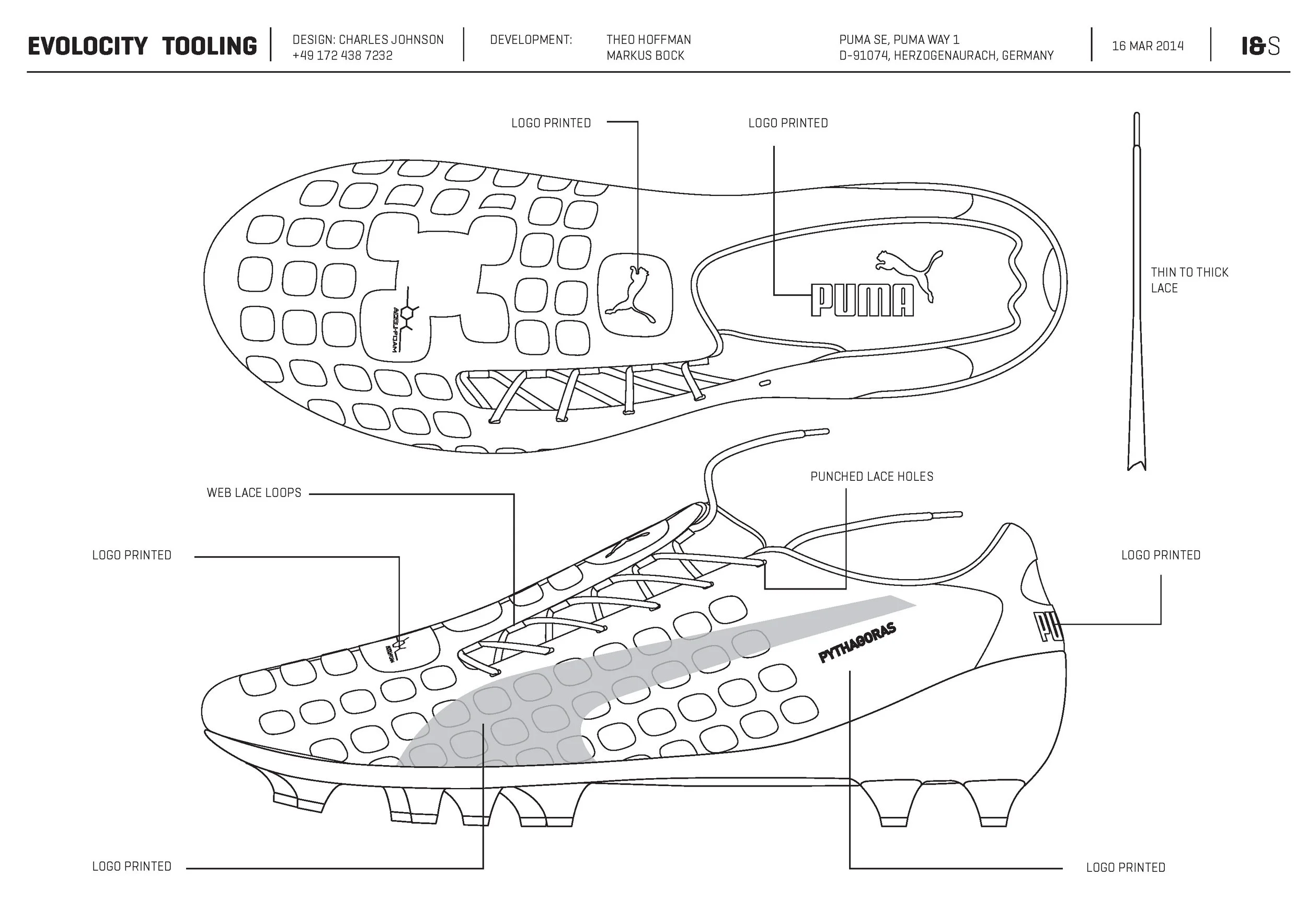
Evolocity DEVELOPMENT
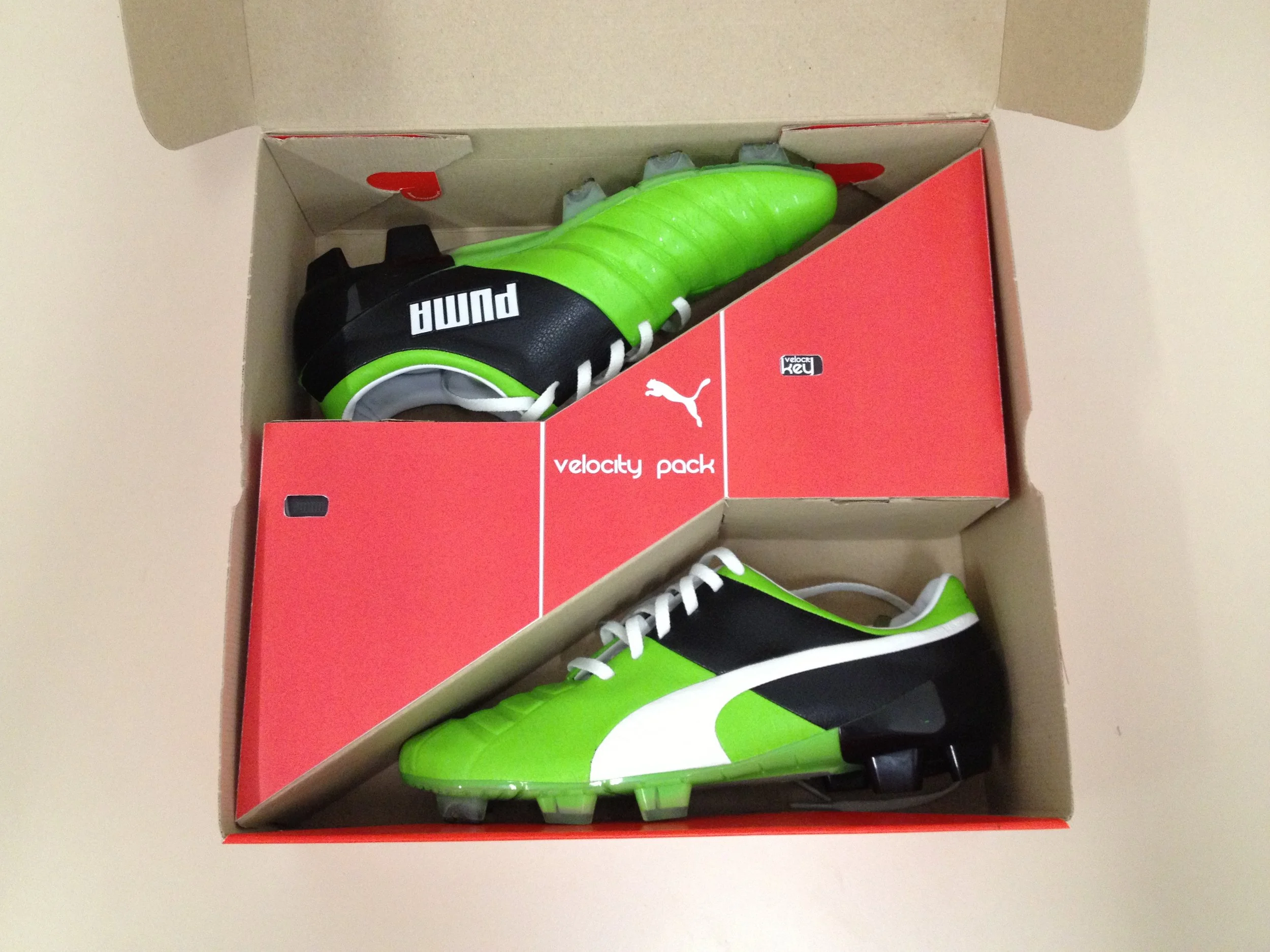
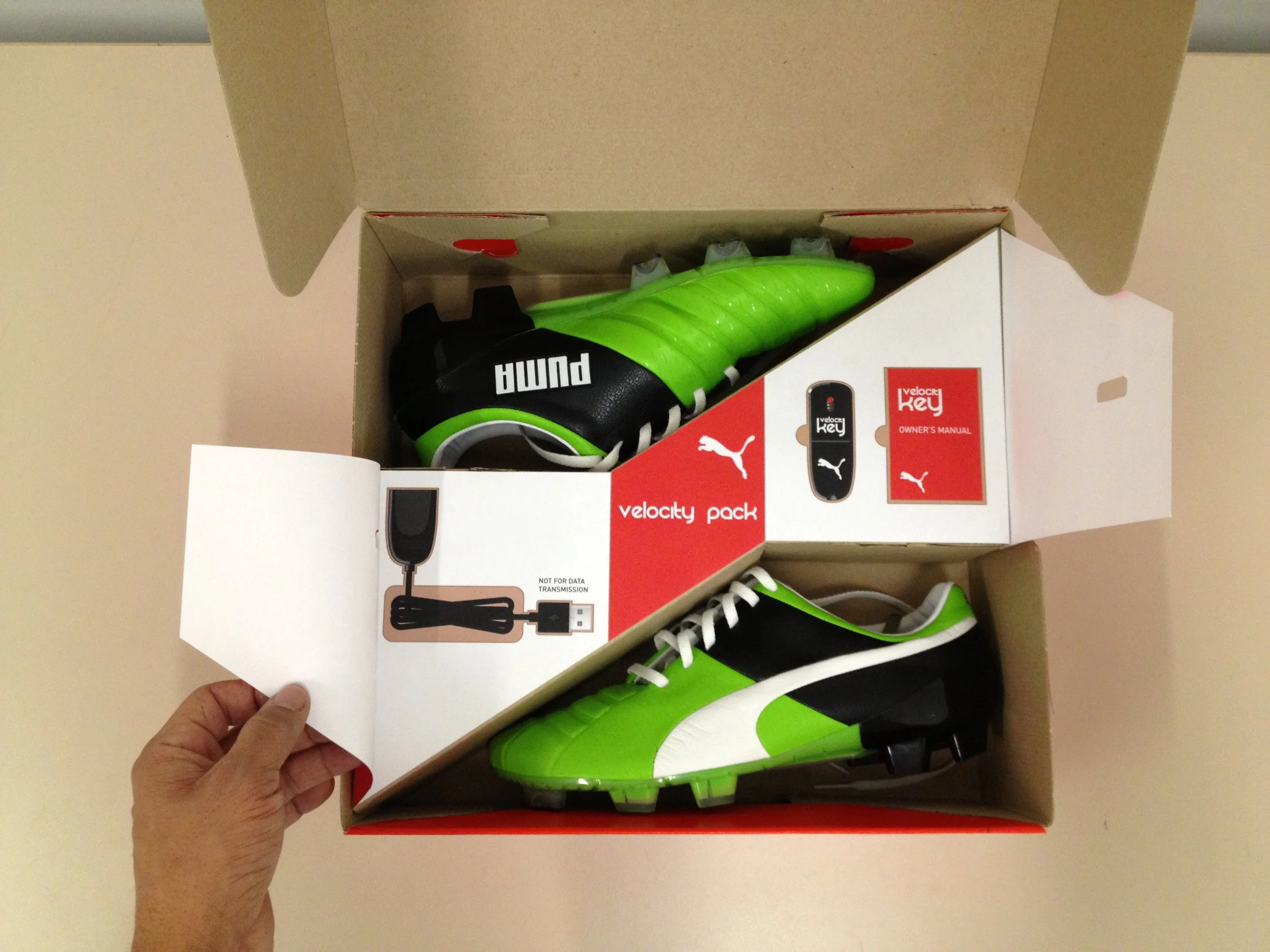
The first iteration of Evolocity had the consumer in mind. Now that the shoe was also a consumer electronic it had to packaged in a way that presented not only the shoe but also the accessories.